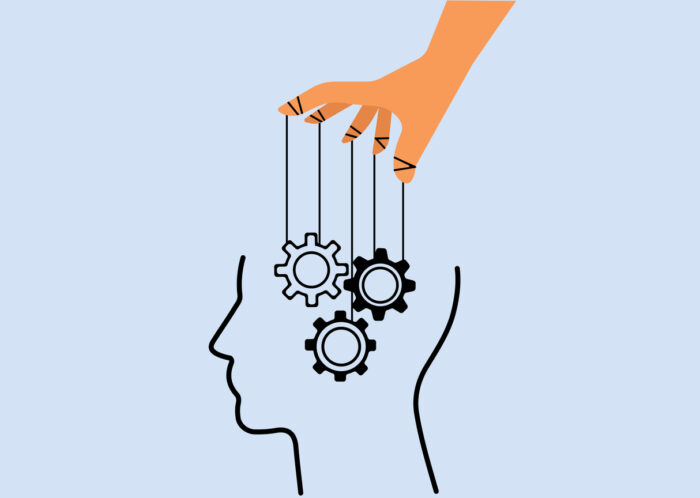
Living with ongoing pain can feel like carrying an invisible weight every day. Many people spend years searching for answers, trying different treatments, medications, and lifestyle changes without finding lasting relief. While traditional approaches often focus on the physical body alone, modern research is revealing that the brain plays a much larger role in pain than previously believed.
This growing understanding has opened the door to innovative methods that help people regain control of their lives. One approach gaining attention is pain reprocessing therapy, a technique designed to help retrain the brain’s response to chronic pain. Rather than simply masking symptoms, it aims to address the underlying patterns that may keep pain signals active long after an injury has healed.
Why Chronic Pain Can Persist Beyond Physical Healing
Many people assume that pain always means something in the body is damaged. While that is often true for acute injuries, chronic pain can be much more complex. Sometimes the brain continues sending pain signals even when tissues have recovered.
Researchers have discovered that the nervous system can become overly sensitive over time. As a result, normal sensations may be interpreted as threats, creating a cycle where pain persists despite the absence of ongoing physical harm.
Some common factors that may contribute to chronic pain include:
- Heightened stress, fear of movement, anxiety, and learned pain responses within the nervous system.
Understanding this connection can help individuals view their pain experience from a different perspective and explore treatment options that target both mind and body.
Pain Reprocessing Therapy: Changing the Brain’s Response
Pain reprocessing therapy is based on the idea that the brain can learn and unlearn pain patterns. The goal is not to convince someone that their pain is imaginary. Instead, it helps people recognize when pain may be generated by an overprotective nervous system rather than ongoing injury.
During therapy, individuals learn to observe their symptoms with curiosity instead of fear. This shift in mindset can reduce the brain’s perception of danger, which may gradually decrease pain intensity over time.
The process often involves education about how pain works, mindfulness techniques, emotional awareness, and exercises that help retrain neural pathways. By repeatedly sending signals of safety to the brain, many people have begun to experience meaningful improvements in their daily lives.
How Pain Reprocessing Therapy Supports Long-Term Recovery
One of the most appealing aspects of pain reprocessing therapy is its focus on its empowerment. Rather than depending entirely on external treatments, individuals learn practical skills they can apply every day.
This approach encourages people to:
- Develop a healthier relationship with pain sensations
- Reduce fear associated with movement and physical activity
- Build confidence in their body’s resilience
- Improve emotional well-being alongside physical comfort
As confidence grows, many people find themselves returning to activities they once avoided. Whether it is exercising, traveling, working, or simply enjoying time with family, reclaiming these experiences can have a powerful impact on overall quality of life.
It is important to note that results vary from person to person. Chronic pain is highly individual, and what works for one person may not work for another. However, the growing interest in brain-based pain treatments highlights the importance of considering the nervous system as part of a comprehensive recovery plan.
The Future of Chronic Pain Management
Healthcare professionals are increasingly recognizing that effective pain management often requires a multidimensional approach. Physical therapy, healthy lifestyle habits, emotional support, and neuroscience-based interventions can work together to create lasting change.
As research continues to evolve, more people are discovering that chronic pain does not always have to define their future. New strategies focused on retraining the brain are providing hope for individuals who previously felt stuck in an endless cycle of discomfort.
Conclusion
Chronic pain can be frustrating, exhausting, and life-altering, but new perspectives are changing the way it is understood and treated. By addressing the brain’s role in pain perception, pain reprocessing therapy offers a promising path toward relief for many individuals. Through education, awareness, and consistent practice, people may learn to reduce pain-related fear, restore confidence, and reconnect with the activities they love. The journey is different for everyone, but the possibility of meaningful improvement is becoming more achievable than ever before.