The concept of synergy in biological systems is both fascinating and scientifically important. When two separate pathways or mechanisms interact to produce effects greater than the sum of their individual contributions, that synergy reveals something fundamental about how biological systems coordinate complex responses.
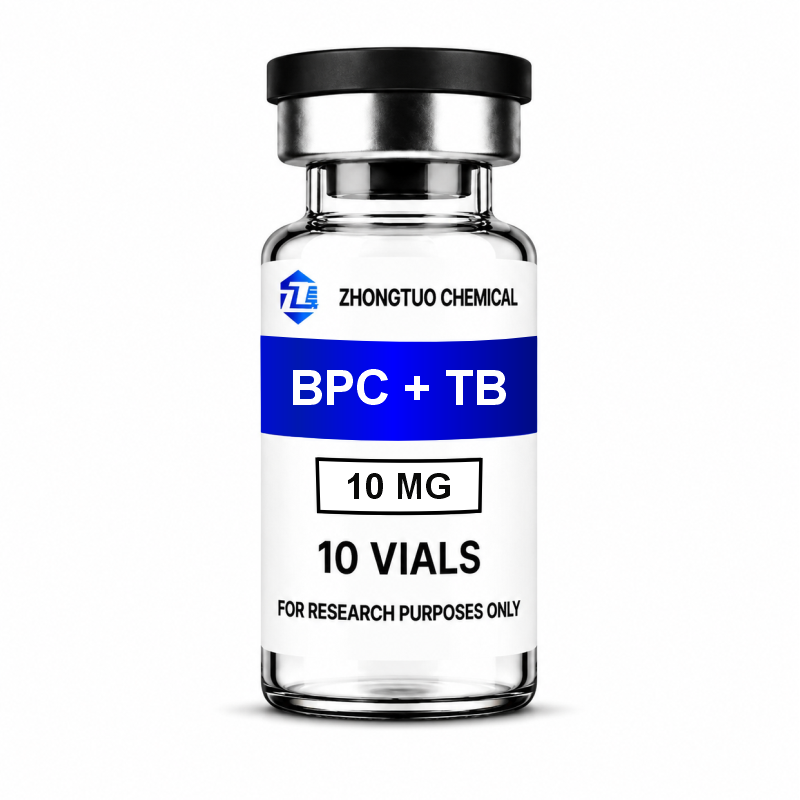
In regenerative biology research, the potential synergy between BPC and TB pathway activities has become an area of genuine scientific interest. The bpc 157 tb 500 blend exists precisely to facilitate this kind of synergistic research in preclinical and in vitro settings.
The Case for Studying Regenerative Pathways Together
Tissue repair is fundamentally a multi-pathway process. Effective healing requires angiogenesis to restore blood supply, cell migration to close tissue defects, anti-inflammatory responses to limit damage from immune activity, and epithelial repair to restore barrier function. No single pathway operates in isolation during this process.
By studying compounds that influence multiple intersecting pathways simultaneously, researchers can observe interactions and dependencies that are invisible in single-pathway studies. This is the scientific rationale for the combined BPC 157 TB 500 blend research approach.
BPC Pathway Contributions in Regenerative Research
The BPC series compounds are associated with multiple activities relevant to regenerative research:
- Mucosal protection mechanisms in epithelial cell systems
- Stimulation of epithelial repair and barrier restoration processes
- Modulation of angiogenic signaling relevant to tissue vascularization
- Anti-inflammatory effects in models of tissue injury
- Influence on growth factor signaling pathways involved in regeneration
When researchers study bpc-157 peptide effects in these contexts, they observe a compound with broadly relevant regenerative activities that intersects with multiple aspects of the tissue repair response.
TB Pathway Contributions Alongside BPC Effects
The TB component of the blend brings a distinct but complementary set of research activities:
- Direct effects on cell migration through actin-binding mechanisms
- Promotion of angiogenic responses through endothelial migration effects
- Cytoskeletal remodeling activities relevant to cell movement and tissue organization
- Reparative signaling contributions through Thymosin beta4-related pathways
TB-500 peptide research has established these activities in various cell culture and in vitro model systems, providing a well-documented foundation for understanding how TB pathway activation contributes to regenerative processes.
Designing Synergy Studies With the Blend
Identifying genuine synergistic effects requires more than simply combining two compounds and observing an effect. Rigorous synergy research includes:
- Careful characterization of individual compound dose-response relationships
- Definition of additive effects using established models such as the Bliss Independence model
- Testing the combination at multiple concentration ratios
- Measuring effects across multiple complementary endpoints simultaneously
- Statistical analysis designed specifically for synergy detection
This kind of rigorous approach produces meaningful data that genuinely advances understanding of how BPC and TB pathways interact in regenerative contexts.
The Scientific Literature on BPC and TB Research
The research literature on both BPC and TB compounds is substantial and continues to grow. Studies have investigated these compounds in various in vitro and preclinical systems, building a body of evidence about their individual activities. The next frontier is understanding how they interact, which makes the BB10 formulation from Zlzpeptides a timely and scientifically relevant research tool.
Researchers entering this area can build on existing knowledge about individual compound activities to design studies that specifically target the synergistic mechanisms that appear most likely to be relevant to regenerative biology.
Zlzpeptides BB10 Formulation Details
The BB10 formulation contains BPC-related peptides and TB at 10 mg per vial, provided as 10 mg per 10 ml vials in a pack of 10. It is supplied as a sterile lyophilized preparation intended for preclinical and in vitro research. Each batch is accompanied by Certificate of Analysis documentation detailing quality parameters specific to that production run.
The formulation is a research chemical intended exclusively for in vitro testing and laboratory experimentation by licensed, qualified professionals. Its use is restricted to appropriate research settings, and bodily introduction into humans or animals is strictly forbidden.
Conclusion
The BPC 157 TB 500 blend represents a scientifically motivated approach to studying the synergistic mechanisms of regenerative biology. By combining BPC peptide pathway activities with TB peptide contributions in a single, well-characterized research formulation, it enables a kind of mechanistic research that single-compound studies cannot provide. Sourced from Zlzpeptides with verified purity and complete documentation, this blend is an excellent tool for researchers at the forefront of tissue repair and regenerative biology research.